


ANSA / LifeinItaly.com – Herculaneum, Campania – Archaeologists are discovering new insights into how the Romans lived in Herculaneum 2,000 years ago by what they left behind – in the ancient city’s sewers.
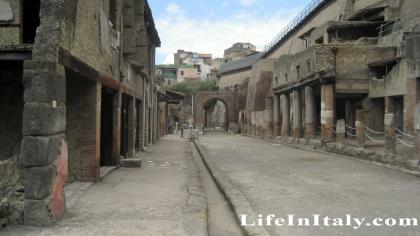
Herculaneum, which lies on the Bay of Naples in southern Italy, was buried by the eruption of Mount Vesuvius that destroyed Pompeii, Stabiae and other nearby towns in 79 AD.
Specialists involved in the Herculaneum Conservation Project have excavated the ancient sewers of the city and uncovered the largest deposit of organic material ever found in the Roman world.
Apart from 170 crates of artefacts including pottery,a lamp and 60 coins, the excavation team has recovered bone pins, necklace beads and a gold ring with a decorative gemstone from the sewers.
But it is the organic deposits that may provide the most innovative research – giving researchers an unprecedented insight into the diet and health of the Roman inhabitants.
Read the full story here.